
A wood-fired hot tub is one of the simplest ways to create an off-grid spa experience at home, at a cabin, or at a campsite. With the right heater coil, safe layout, and a few practical accessories, a basic tub or stock tank can become a relaxing outdoor soaking station without relying on electricity.
This guide explains how to plan a safe, efficient DIY wood-fired hot tub setup using Singema resources and support guides. If you are still comparing options, start with the main Wood Fired Hot Tub Systems, Heating Coils & Supporting Accessories page to see available coil kits and accessories.
1. Choose the right tub and location first
Before choosing a coil, decide where the hot tub will sit and what type of vessel you will use. Common DIY options include stock tanks, wooden tubs, insulated plastic tubs, or custom-built soaking containers. The best location is flat, stable, well-drained, and positioned away from flammable walls, fences, dry leaves, and overhanging branches.
For a full build overview, read Singema’s step-by-step page: How to Build a Wood-Fired Hot Tub with a Heater Coil Kit. It is especially useful if you are planning the project from the ground up.
2. Match the heater coil to your soaking style
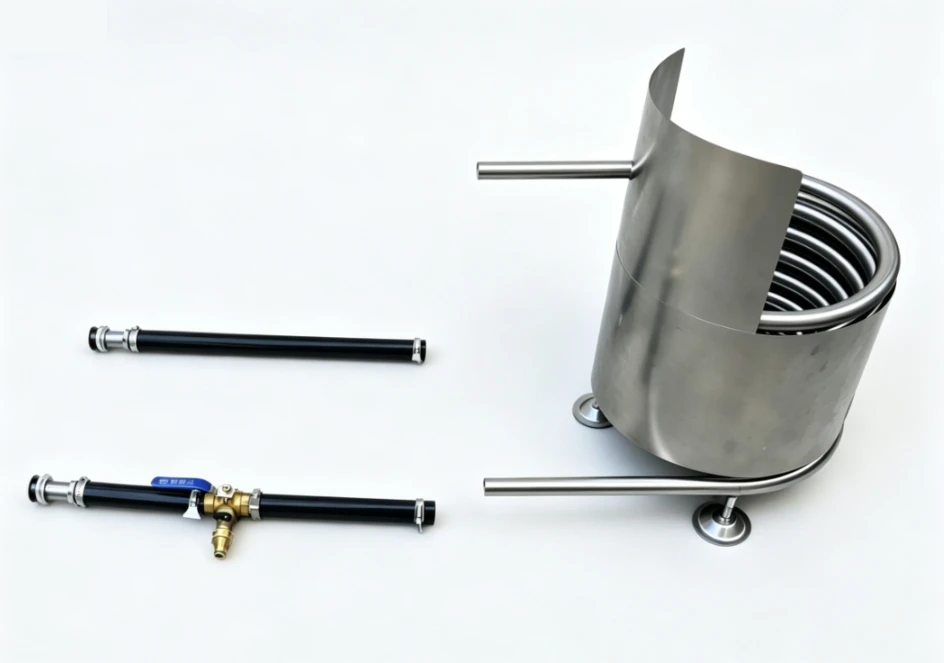
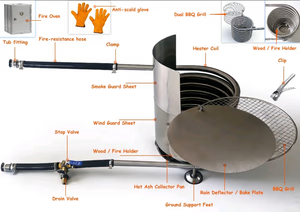
The heater coil is the heart of a wood-fired hot tub system. Water circulates through the stainless steel coil, absorbs heat from the fire, and returns warmer water to the tub. This natural circulation process is often called thermosiphon circulation, and it works best when the coil, hose connections, and tub water level are arranged correctly.
For shoppers comparing different designs, the Singema Wood Fired Hot Tub Coil Kits – All Models A1 – F4 page is a helpful starting point. If you want a more advanced all-weather setup, you can also review models such as the Model E4 with Fireguard, Stop & Freeze Drain Valve or the Model F3 with Fireguard and BBQ Grille.
3. Plan safe water circulation
Good circulation helps the system heat evenly and reduces hot spots. In most DIY setups, the lower connection draws cooler water from the tub into the coil, while the upper connection returns heated water back into the tub. Keep hoses as short and direct as practical, avoid sharp bends, and make sure the connections are secure before lighting the fire.
If your tub has a curved, corrugated, or uneven wall, take extra care with the fittings. Singema’s guide How to install connector fitting on corrugated tub side? explains how to approach a leak-resistant installation.
4. Follow fire and soaking safety rules
Wood-fired bathing is relaxing, but it still involves open flame, hot metal, and hot water. Place the heater coil on a stable, fire-safe surface, keep children and pets away from the fire area, and never leave the fire unattended. Always stir the water and test the temperature before entering the tub.
For more detailed precautions, visit Singema’s Safety Guidelines. You can also review Tips to use for practical operating advice before your first soak.
5. Add accessories that make the setup easier
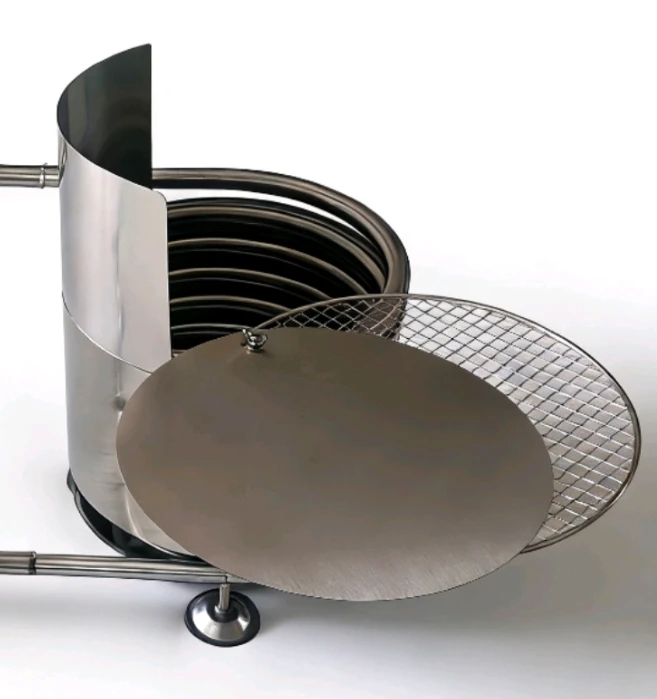
Small accessories can improve comfort and usability. A fireguard can help shield the flame from wind, a drain valve can simplify cold-weather maintenance, and a suitable hose kit can make setup cleaner and more dependable. Some Singema kits also support grilling accessories, turning the hot tub heater area into a more complete outdoor relaxation setup.
If you are heating a larger tub, two tubs, or a special container, compare standard models with custom options. The Tailor-made Wood Fired Hot Tub Coil Kit page is useful for personalized configurations, while the Dual-coil kit for heating double tubs may fit multi-tub projects.
6. Prepare a simple heating routine
A consistent routine makes wood-fired soaking more enjoyable. Fill the tub above the circulation fittings, confirm that water can move through the system, start with a modest fire, and increase fuel gradually. Stir the tub regularly so the water temperature stays even from top to bottom.
Heating time depends on tub volume, starting water temperature, outdoor weather, wind exposure, and the size of the fire. For more guidance on operating a coil safely, read How to Use a Wood-Fired Hot Tub with a Coil Heater Safely.
Final thoughts
A DIY wood-fired hot tub setup does not need to be complicated. Start with a safe location, choose a heater coil that matches your tub size and soaking goals, install fittings carefully, and follow safe fire-handling habits every time you heat the water.
If you still have questions, visit the FAQ page or contact Singema through Contact Us for help choosing a suitable coil kit for your project.